Nestora Journal
Insights, ideas, and inspiration for modern modular living.
Insights, ideas, and inspiration for modern modular living.
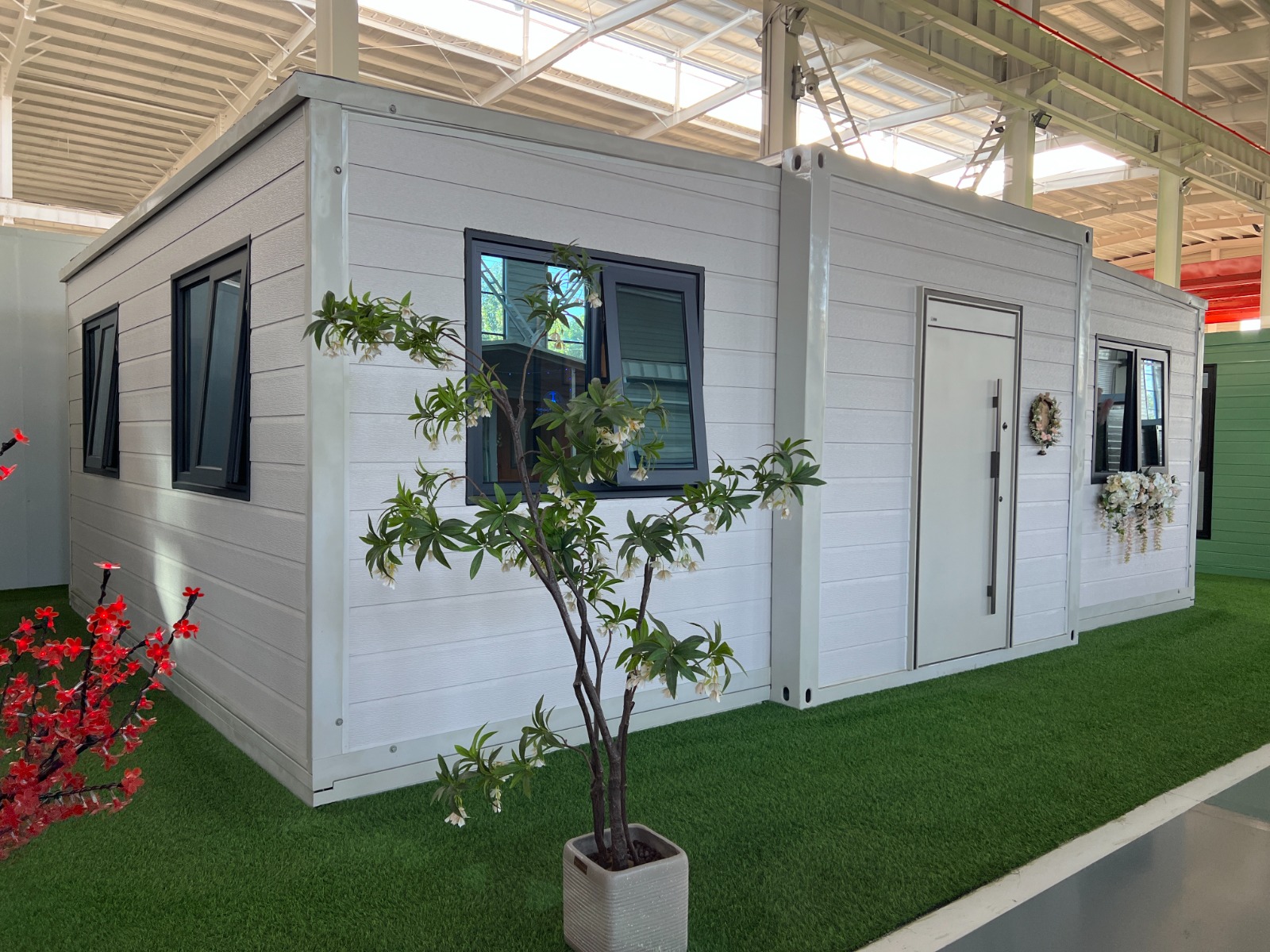
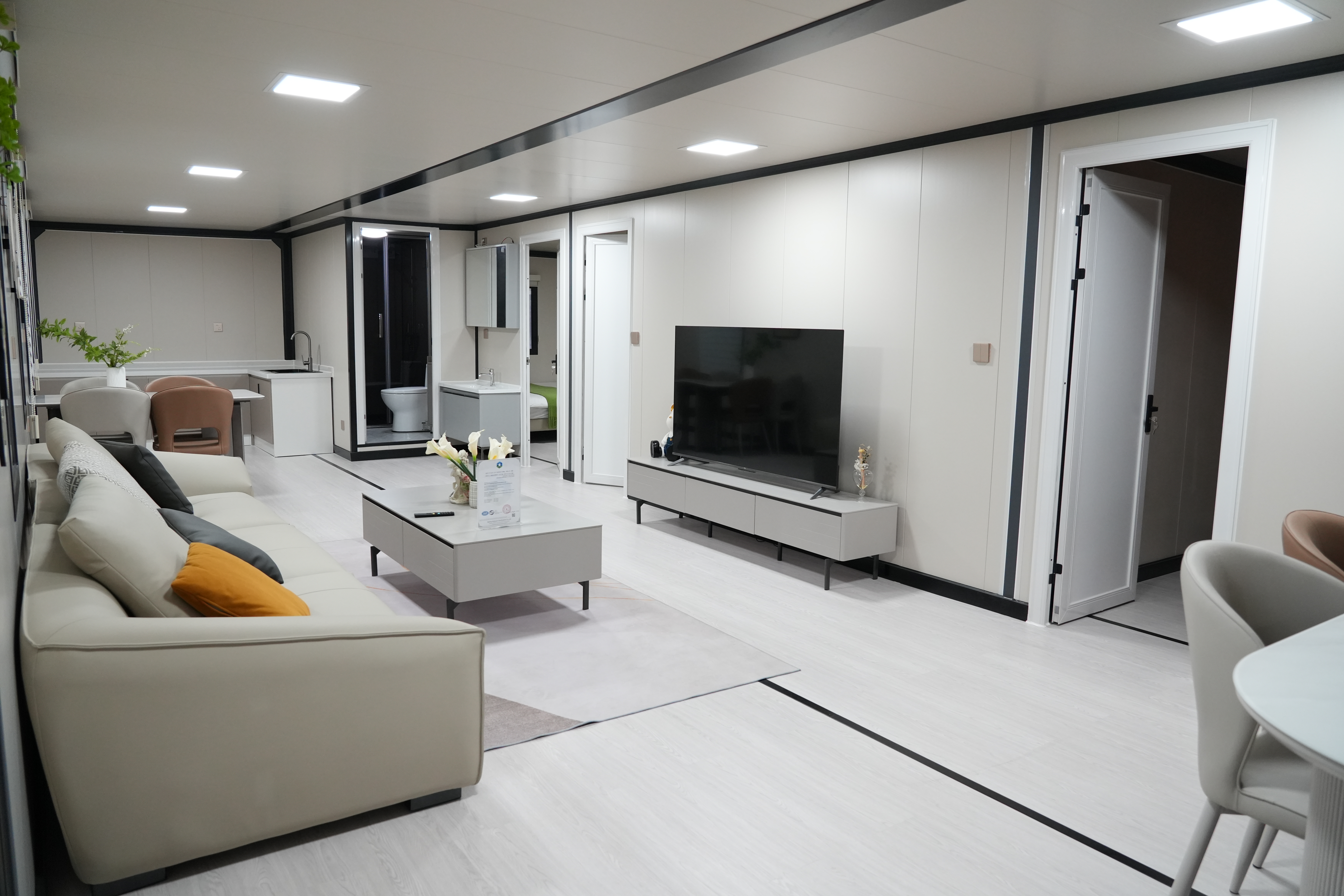
Rising land costs, global housing shortages, and an urgent need for sustainable construction methods are driving a worldwide shift toward innovative modular solutions — and expandable container homes are leading the charge.
The economics are compelling: container homes can be produced in a controlled factory environment for a fraction of the cost of conventional construction, with dramatically shorter lead times and far less waste. Meanwhile, advances in insulation, cladding, and interior design have made these homes indistinguishable from — and often superior to — traditionally-built houses.
At Nestora Living, we have been at the forefront of this movement for over a decade, constantly refining our designs and processes to deliver homes that exceed expectations on every level.
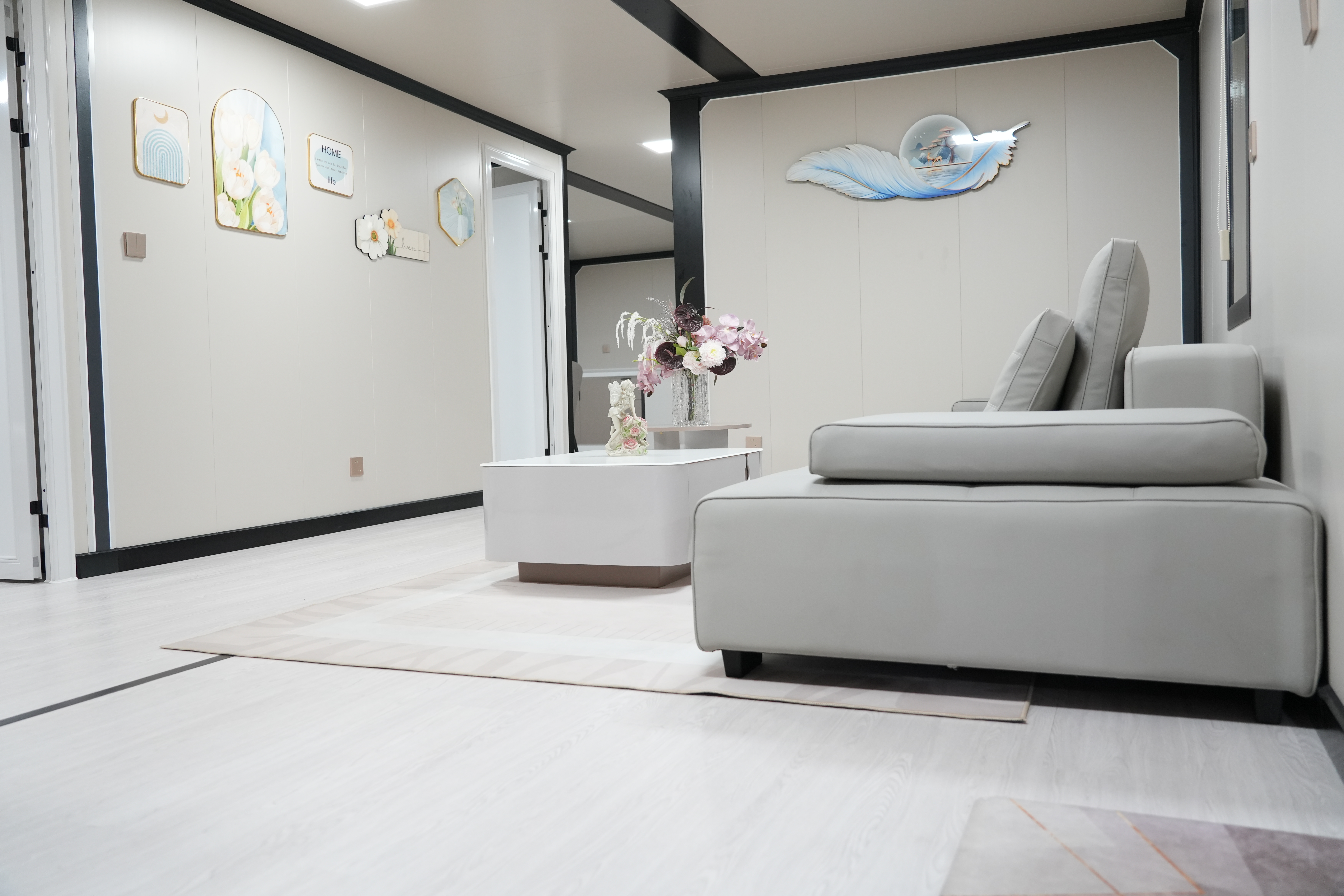
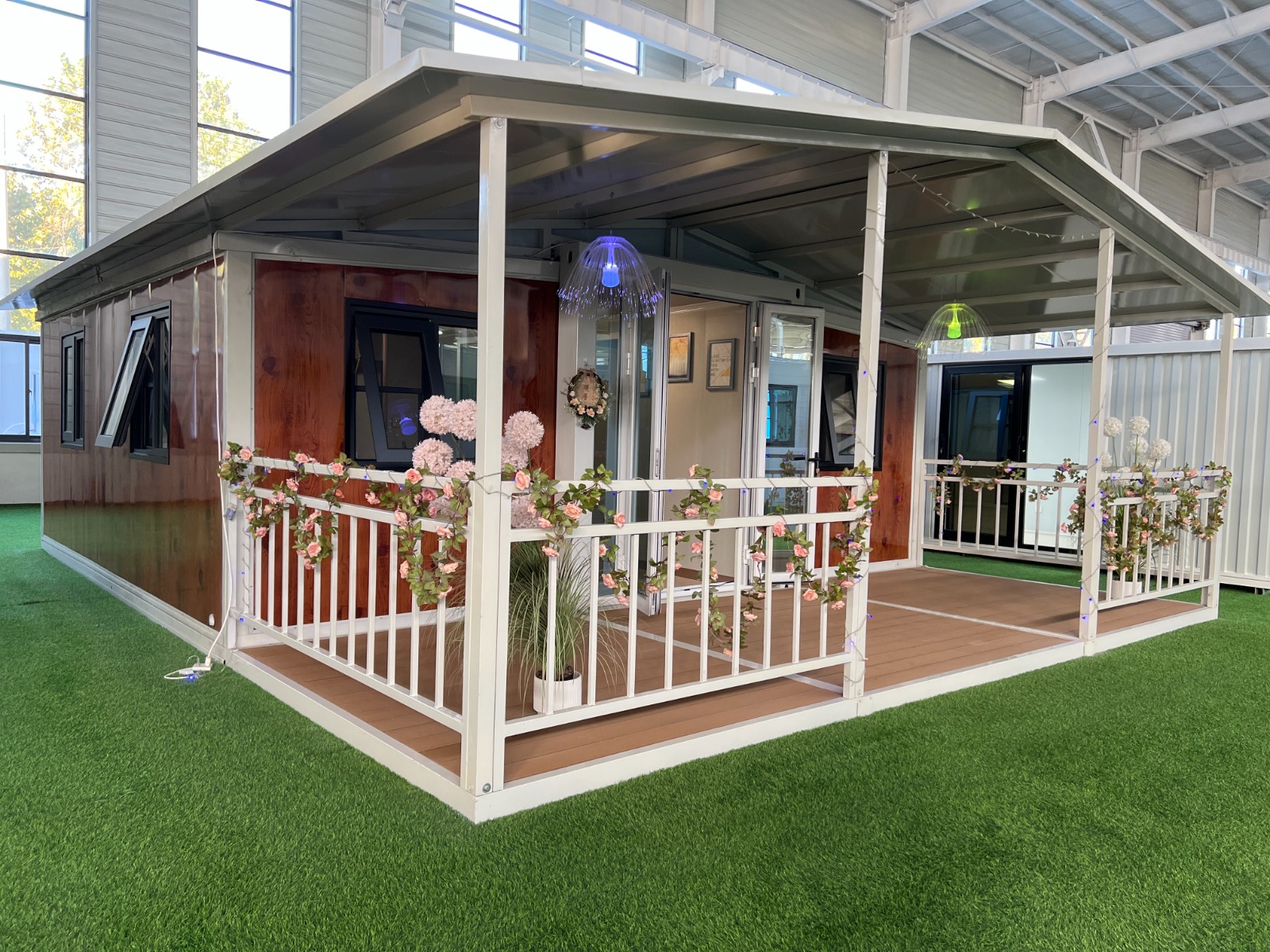
From rooftop decks and floor-to-ceiling glazing to green living walls and wrap-around verandahs — we explore the most popular customizations our clients choose and how each transforms the living experience.
Deciding between a modular home and a conventionally-built house is one of the most important decisions a home buyer can make. We break down the key differences across cost, timeline, quality, flexibility and resale value.
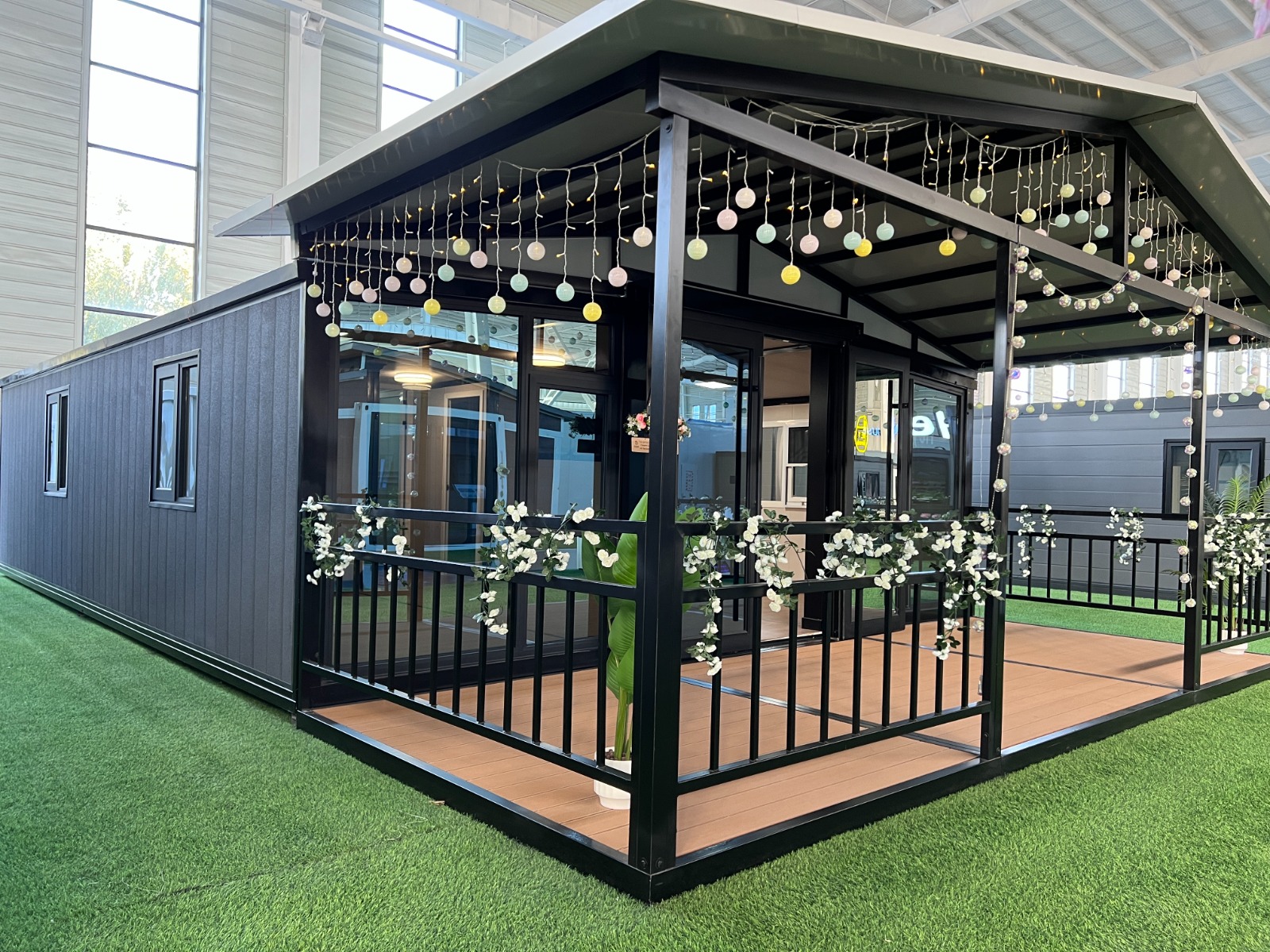
With residential rental yields under pressure in major cities, savvy investors are turning to expandable container homes as a high-yield, low-cost alternative. We explore the numbers, the logistics, and the key considerations before you invest.
A quality 2-bedroom Nestora expandable home can be site-ready for a fraction of the cost of a traditional dwelling, and can generate competitive weekly rental returns in most markets.
Read Full Article →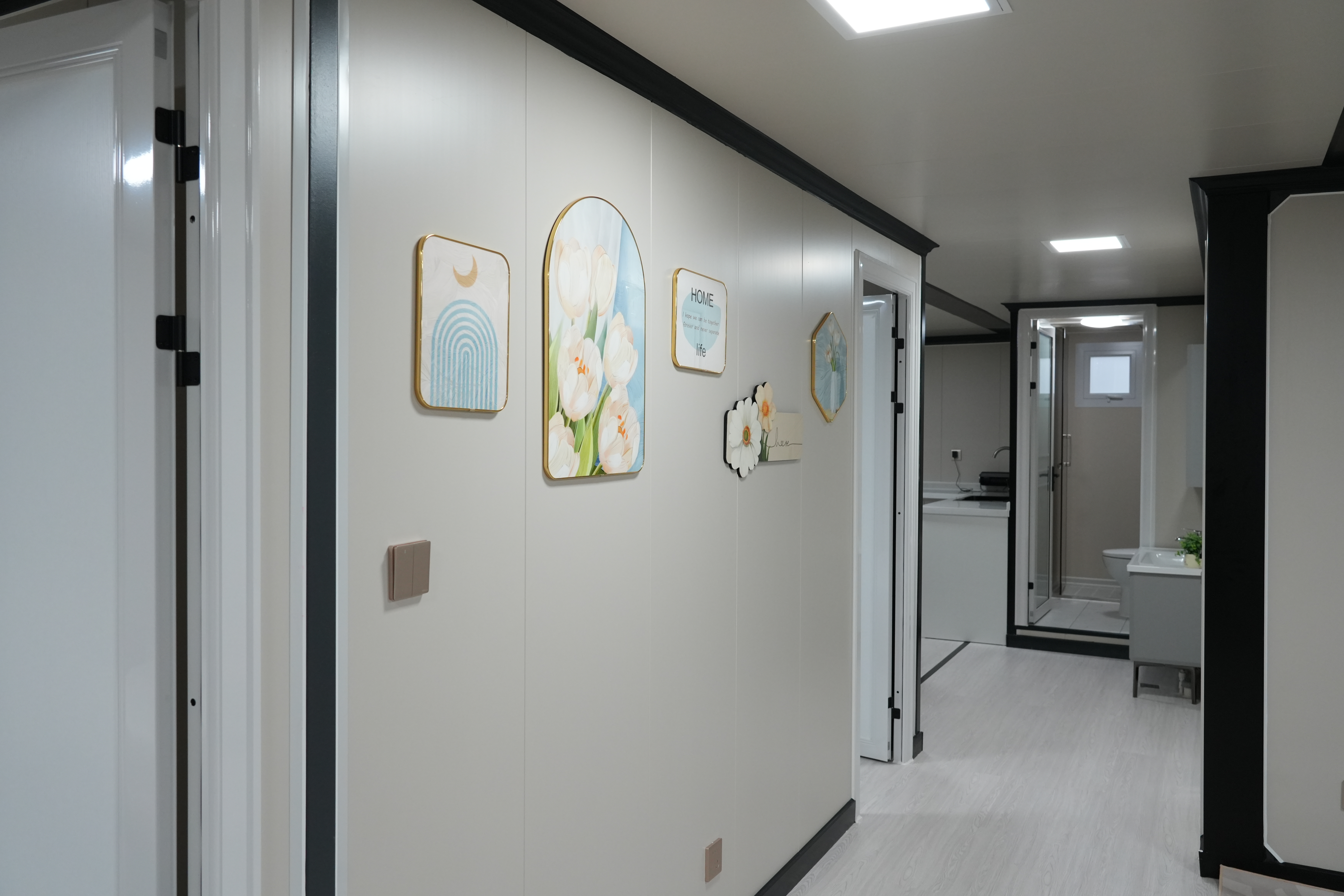
One of the most commonly overlooked aspects of buying a modular home is site preparation. From access track width and crane positioning to foundation type and utility connections — we walk you through everything you need to prepare before delivery day.
Read Full Article →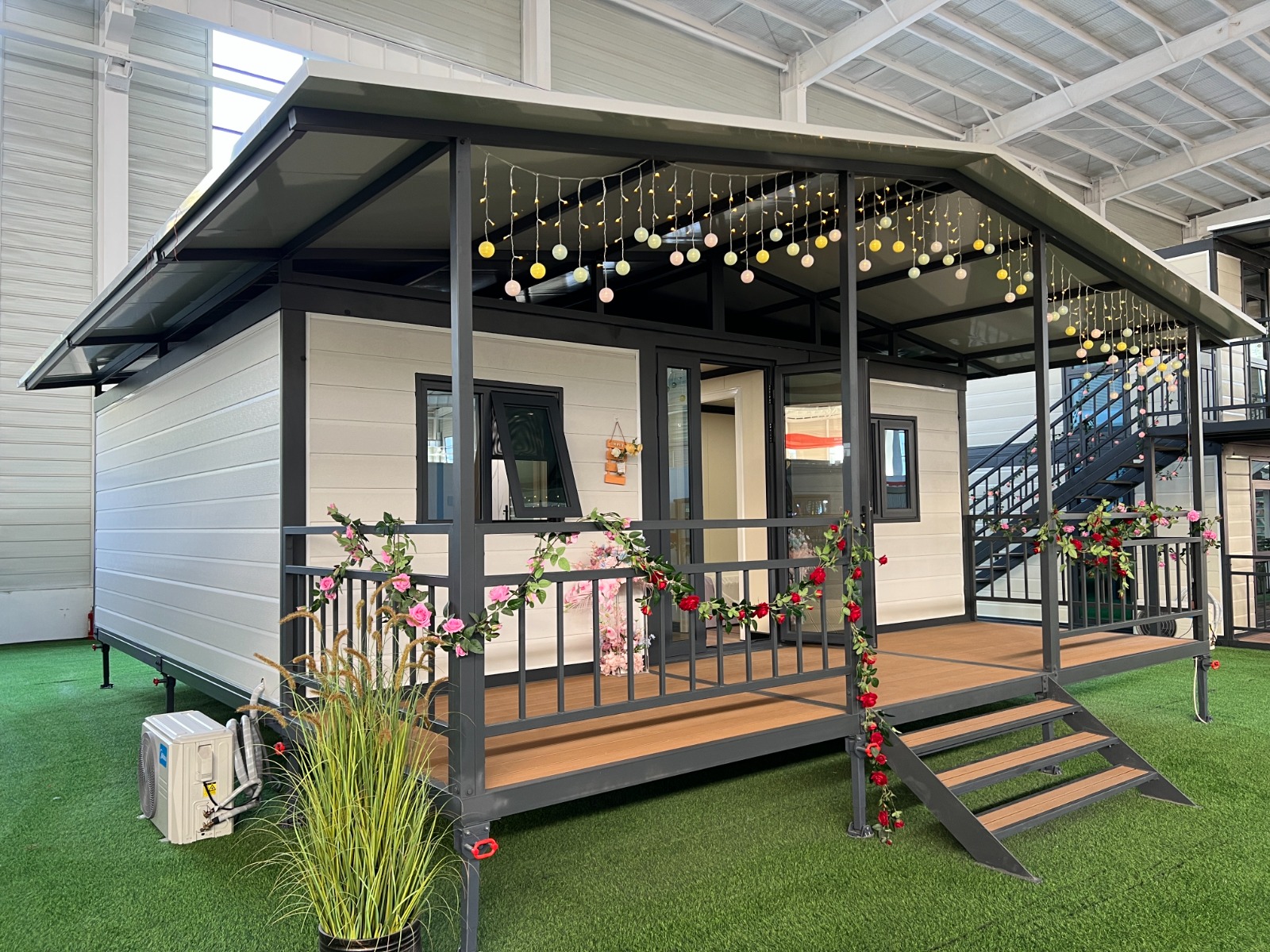
Factory-built modular homes produce up to 80% less construction waste than site-built homes. Combined with optional solar, rainwater harvesting, and recycled material packages, a Nestora home can be one of the most environmentally responsible dwelling choices available.
Read Full Article →